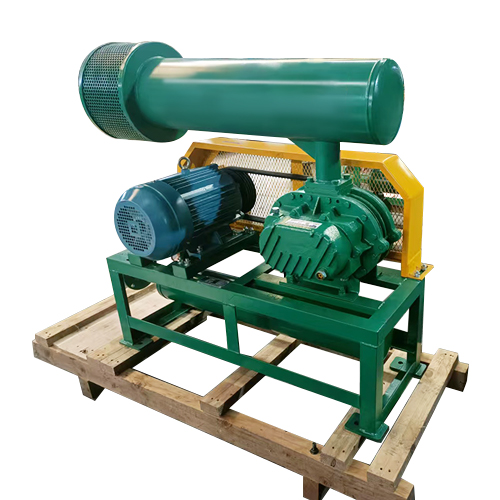
Roots blowers are positive displacement blowers. Due to their simple structure, stable operation, and forced gas delivery, they are widely used in wastewater treatment, aquaculture, chemical transportation, mine ventilation, and other fields. Blind equipment selection may lead to problems such as high energy consumption, mismatch with operating conditions, and increased maintenance and repair costs. This guide is compiled based on practical industry experience, summarizing key selection points and tips for avoiding common mistakes. It helps users choose a Roots blower that suits specific needs, achieving efficient, energy-saving, and long-term operation.
Defining your own operational needs is a prerequisite for selecting a Roots blower. First, key parameters must be established: air flow rate and pressure are the basis for equipment selection. They must be accurately calculated according to actual production requirements to avoid situations of "oversized equipment for light loads" or "undersized equipment for heavy loads." Insufficient air flow reduces productivity, while excessive pressure increases energy consumption and leads to equipment damage. Next, the characteristics of the conveyed medium should be considered: the material requirements for the blower differ significantly when delivering clean air versus transporting dusty or corrosive gas. The latter requires corrosion-resistant and wear-resistant materials. In addition, clarify installation space, ambient temperature, noise level requirements, and other factors in advance to avoid installation issues or operational disruptions.
Evaluating the core configuration and quality of the equipment is the key to a long service life for the blower. The casing and impellers are the most critical components. Preference should be given to cast iron or steel castings, as these materials offer high strength and wear resistance, reducing wear and gas leakage during operation. Impellers must undergo dynamic balancing tests to ensure stable operation and low noise. Bearings and seals directly affect the tightness and service life of the equipment; it is recommended to use components from well-known brands. The seal type (packing seal or mechanical seal) is selected based on the properties of the medium: mechanical seals provide better tightness and are easier to maintain. The electric motor, as the power source, must match the blower in power; energy-saving electric motors meeting national standards are preferred to reduce long-term electricity costs.
Choosing a reliable manufacturer with a complete after-sales service system is a way to avoid future problems. Quality manufacturers have mature manufacturing technologies and strict quality control, ensuring stable equipment performance. It is recommended to prioritize manufacturers with years of experience, a good reputation, and relevant permits. You can review examples of completed projects to assess how the equipment performs under similar operating conditions. Regarding after-sales service, confirm whether the manufacturer provides on-site installation and commissioning services, whether there is a well-developed service center network with round-the-clock response, and whether spare parts availability is ensured. This will prevent production downtime caused by prolonged repairs in the event of failures.
Avoid typical selection mistakes and reasonably control costs. Many users pursue the lowest price while ignoring equipment quality. As a result, the equipment frequently breaks down, maintenance costs rise sharply, and the total expenditure ends up higher. Also, avoid choosing equipment with excessively high specifications: redundant parameters increase the purchase cost and energy consumption. Pay attention to the noise and vibration levels of the blower; they must meet national standard requirements so as not to harm the production environment or personnel. You may request test reports of equipment parameters from the manufacturer to confirm that actual performance matches the stated specifications and to avoid unreliable information.
In summary, when selecting a Roots blower, three key principles should be followed: suitability for operating conditions, reliable quality, and complete after-sales service. Parameters must be accurately calculated, the core configuration evaluated, a reputable manufacturer chosen, and common mistakes avoided. Proper equipment selection ensures production stability, reduces long-term operating costs, and maximizes the utility of the equipment.


